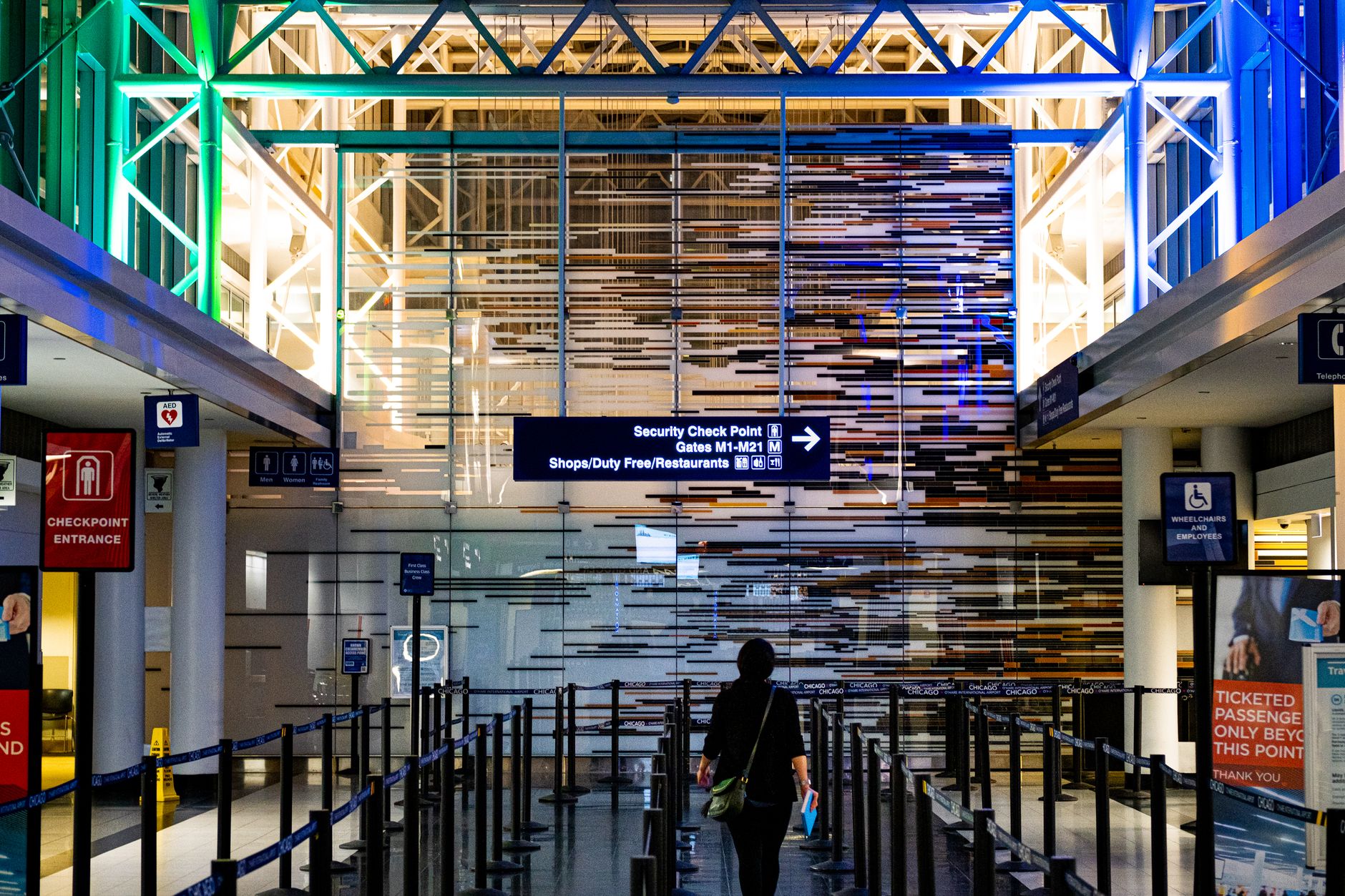
The TSA is spending $781 million on new screening technology, and it is already changing how security areas work at airports across the U.S. The routine your travelers know by heart may not match what they find at the next terminal. If you book trips for a team, now is the time to get ahead of it. GBTA News and Simple Flying have both covered the rollout.
Most travelers won't read about this in advance. They will simply arrive at the security area, meet unfamiliar equipment and wonder why the line is moving differently.
What This Means for Business Travel
Security is one of the few parts of a trip you can't book around. You can choose the flight, the seat and the hotel. You can't choose how the checkpoint runs. Upgrades on this scale tend to arrive in stages, so one traveler might meet new equipment in one city and the old setup in the next. That unevenness is what catches people out.
New technology also brings a learning curve, for officers as well as passengers. Early weeks can mean questions at the belt, a few more bag checks and the odd slow lane. Over time the aim is a smoother process. In the meantime, your travelers carry the risk of a missed flight, and you carry the phone calls that follow.
Travel Coordination Take
- Brief your travelers before each trip. A short line in the itinerary email is enough: procedures in the security area may differ from last time, follow officer instructions, and check the TSA website for current guidance.
- Build in extra time. Add a cushion to whatever arrival guidance you give now, particularly for early departures and trips where a traveler heads straight from the airport to a meeting.
- Ask frequent flyers what they are seeing. A quick message after a trip tells you which airports are running smoothly and which are not. Share the useful bits with the rest of the team.
- Think twice about tight schedules. A same day return with a hard deadline at the other end leaves no room for a slow checkpoint. Where you can, leave a gap.
- Update your travel policy or traveler handbook. If it quotes recommended arrival times, review them now and again in a month or two, once the rollout settles.
Key Takeaway
You can't control the checkpoint, but you can control how prepared your travelers are when they reach it. A clear heads up and a bit of padding in the schedule will save more stress than any rebooking.