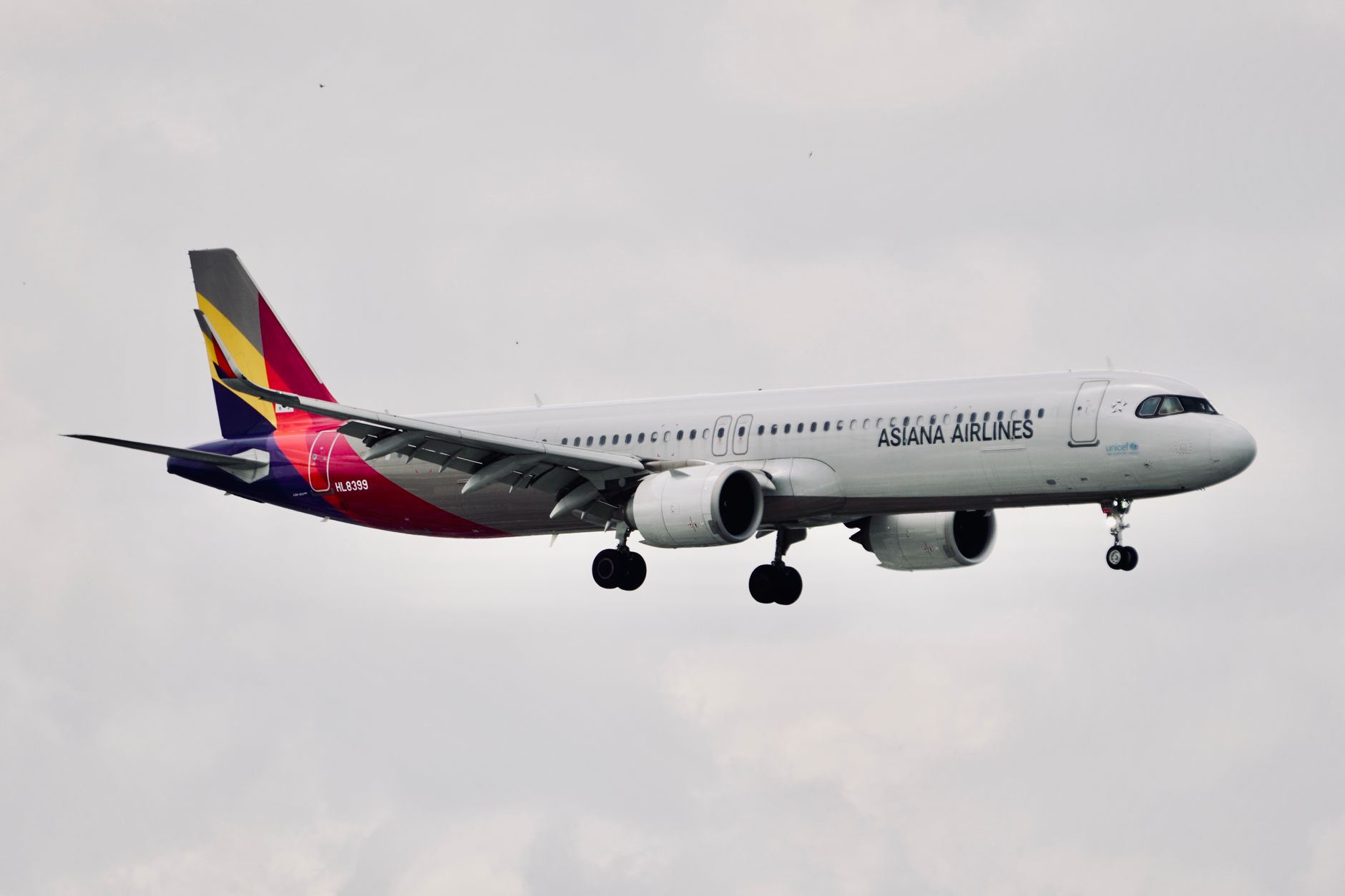
Asiana Airlines has confirmed it will exit Star Alliance on December 16, 2026, following its acquisition by Korean Air, a founding member of SkyTeam. For travel coordinators managing corporate accounts and loyalty benefits tied to Asiana, the clock is now ticking. This change will affect everything from frequent flyer accruals to lounge access, and getting ahead of it now will save you a scramble later.
What This Means for Business Travel
Alliance membership isn’t just a logo on a boarding pass. It determines which partner airlines your travelers can earn and redeem miles with, which lounges they can access during connections, and how smoothly bookings integrate across carriers. When Asiana moves from Star Alliance to SkyTeam, travelers enrolled in Star Alliance partner programs (think United MileagePlus or Lufthansa Miles & More) will lose the ability to earn or redeem miles on Asiana flights under those agreements.
For companies with travelers flying Korea-based routes, particularly between North America, Europe, and Asia-Pacific, this shift is significant. Korean Air and Asiana together will form one of the largest airline groups in Asia, with a strengthened SkyTeam presence. That could open new opportunities, but only for companies that proactively align their travel programs with the new structure.
Travel Coordination Take
- Audit your current Asiana bookings and agreements. Pull any corporate contracts, preferred vendor deals, or negotiated rates tied to Asiana and flag them for review ahead of December 2026. Don’t wait until the last quarter to start this conversation with your travel management company.
- Review traveler loyalty program enrollments. Identify frequent travelers who earn miles on Asiana through Star Alliance partner programs. Notify them early so they can adjust their preferences or consolidate points before the transition date.
- Reassess lounge access arrangements. If your travelers rely on Star Alliance lounge access during Asiana-connected itineraries, those arrangements will change. Start mapping out alternative lounge options under SkyTeam for key routes.
- Update your travel policy documentation. Once the transition details are clearer (including any SkyTeam partner benefits Asiana will offer) revise your corporate travel policy to reflect the new alliance benefits and preferred booking guidance.
- Monitor communications from your TMC and airline partners. Korean Air and Asiana will roll out more specifics as 2026 approaches. Make sure your travel management company is flagging updates and feeding them back to you in a timely way.
Key Takeaway
December 2026 may feel far away, but alliance transitions touch more moving parts than they appear to: loyalty programs, lounge access, partner bookings, and corporate policy all need attention. Travel coordinators who start reviewing their Asiana-related arrangements now will be far better positioned than those who wait for the deadline to creep up. Put it on your radar today.