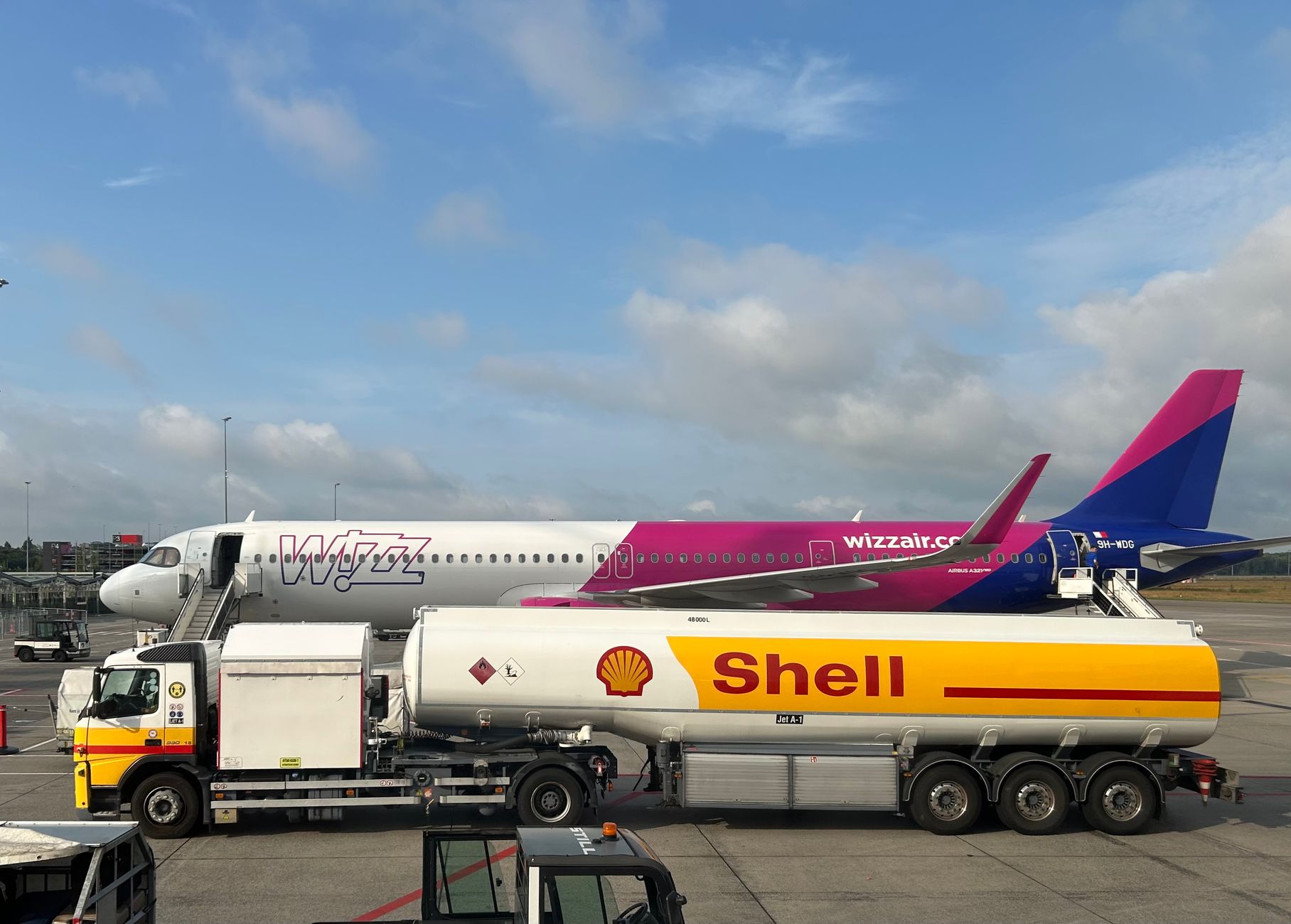
American Airlines and Google have signed a landmark sustainable aviation fuel agreement that will deliver 35 million gallons of SAF over three years at Chicago O’Hare International Airport. Google is using the deal to directly offset the carbon footprint of its corporate travel program, and it signals a clear shift in how large companies are approaching sustainability commitments with airline partners.
What This Means for Business Travel
SAF partnerships between major carriers and corporate clients are moving from a nice-to-have to a genuine competitive differentiator. When a company the size of Google locks in a multi-year fuel agreement with American, it sets a new benchmark for what serious corporate sustainability looks like in travel, and other large enterprises are watching closely. Airlines that can offer structured SAF commitments are increasingly attractive to companies with carbon reduction targets baked into their ESG reporting.
For travel coordinators, this matters because your organization’s airline partnerships may soon be evaluated on route coverage, pricing and loyalty perks, and on whether your preferred carrier can support your company’s sustainability goals. SAF availability is still limited globally, but deals like this one show that airlines are building the supply chains to meet corporate demand, especially at high-traffic hubs like O’Hare.
Travel Coordination Take
- Ask your airline partners about SAF programs. If your company has sustainability goals, find out whether your preferred carriers offer SAF contribution options, corporate agreements, or book-and-claim programs that let you offset emissions without fuel being physically on the plane.
- Flag this to your sustainability or ESG team. A deal like American and Google’s may be exactly the kind of initiative your leadership wants to explore. Loop in the right stakeholders before your next airline contract renewal.
- Track O’Hare routing in your travel data. If Chicago O’Hare is a major hub for your travelers, American’s growing SAF infrastructure there could be a relevant factor in preferred carrier decisions going forward.
- Document your current carbon baseline. Before you can make the case for SAF investment, you need to know your travel program’s emissions footprint. Pull your air travel data and work with your TMC to establish a baseline if you don’t have one already.
- Watch for similar deals from other carriers. This won’t be the last SAF partnership announcement. United, Delta, and others are actively developing SAF supply agreements: staying informed will help you ask better questions during airline negotiations.
Key Takeaway
The American Airlines and Google SAF deal is a clear sign that sustainability is becoming a core part of corporate travel strategy rather than a reporting footnote. If your organization has climate commitments (or is heading toward them) now is the right time to start asking whether your airline partnerships are keeping pace.