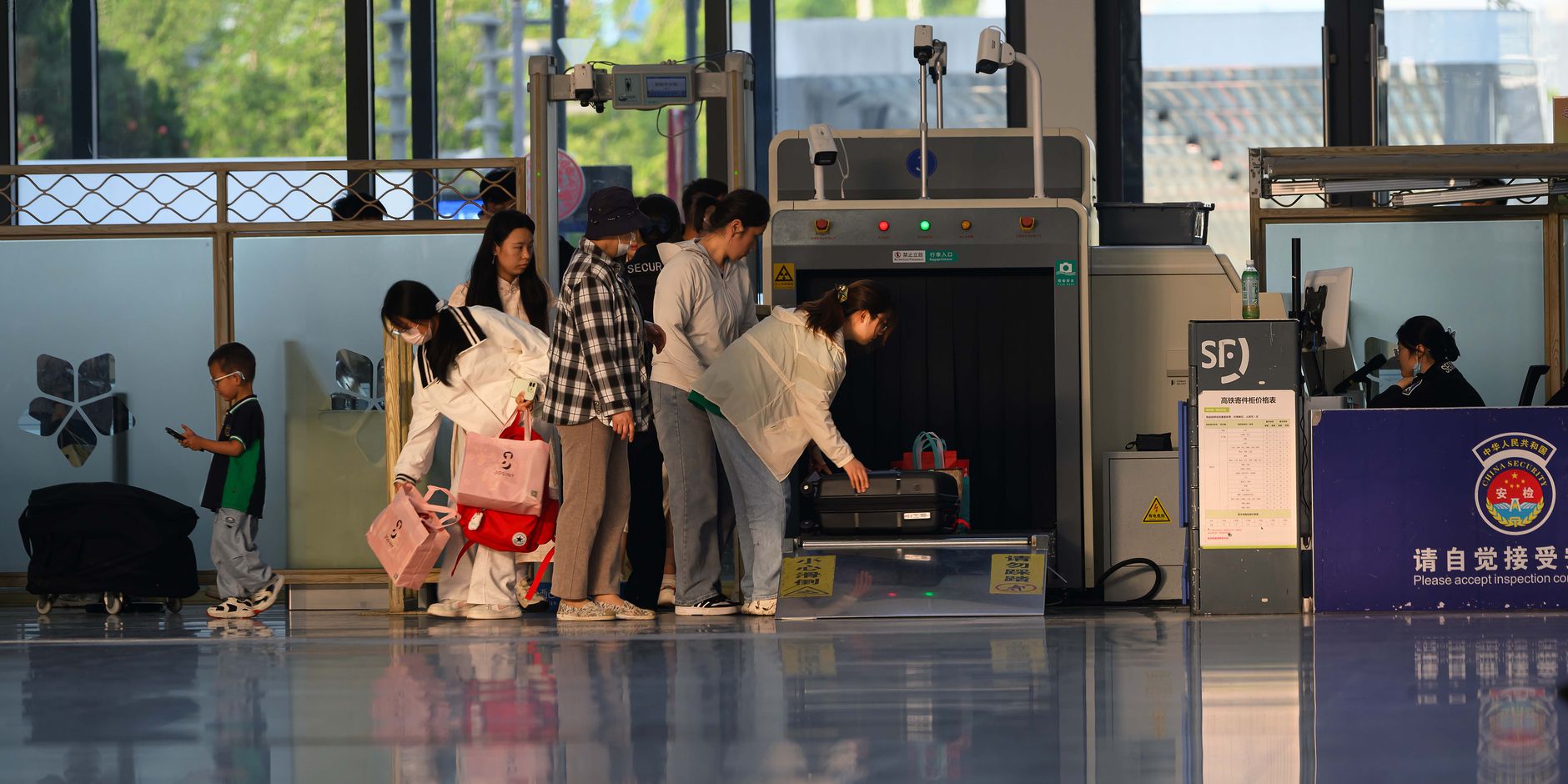
The Transportation Security Administration has launched a remote security screening pilot program at Boston Logan International Airport, and if it works as intended, it could meaningfully reduce one of the most unpredictable parts of any business trip: the security line. For travel coordinators managing tight itineraries and stressed executives, this is worth paying attention to right now.
What This Means for Business Travel
Remote screening allows TSA officers to review security images from a location separate from the checkpoint itself, enabling more flexible staffing and potentially faster throughput during peak travel periods. Boston Logan is one of the busiest airports in the Northeast, serving a high volume of corporate travelers, so a smoother security experience there has real implications for on-time departures and overall trip reliability.
If the pilot succeeds, the TSA could roll out remote screening to additional major airports. That would represent a meaningful shift in how checkpoint operations are managed across the country, with potential benefits for travel programs that depend on predictable departure windows. It’s the kind of infrastructure change that quietly makes a big difference when you’re coordinating back-to-back travel days for a team.
Travel Coordination Take
- Keep your departure buffers in place for now. The pilot is early-stage, and wait times at Logan may still vary. Don’t adjust recommended arrival times until there’s clear data showing consistent improvement.
- Flag Boston Logan as one to watch. If your organization regularly routes travelers through BOS, track how the program develops over the coming months. Faster screening could eventually support tighter scheduling windows.
- Brief frequent travelers on the change. Even if the visible checkpoint experience looks similar, knowing TSA is testing new technology can reassure travelers and reduce pre-flight anxiety, especially for those who’ve had delays at Logan before.
- Check TSA and airline updates regularly. Remote screening rollouts may come with checkpoint reconfigurations or signage changes. Keeping travelers informed about what to expect helps avoid confusion on travel days.
- Raise it with your travel management company. Ask whether your TMC is tracking TSA infrastructure changes like this one as part of their risk and reliability monitoring. It’s a reasonable expectation for any managed travel program.
Key Takeaway
The TSA’s remote screening pilot at Boston Logan won’t change how you plan travel today, but it signals a broader push to modernize airport security in ways that could benefit business travelers down the line. Stay informed, keep your buffers smart, and watch how this one unfolds, the airports that get this right will make your job a little easier.